Coding
The Art of Sustainable Code Architecture
The long-term viability of modern software depends less on rapid feature delivery and more on managing technical debt. Adopting sustainable refactoring practices ensures engineering teams can scale systems without sacrificing velocity or stability.

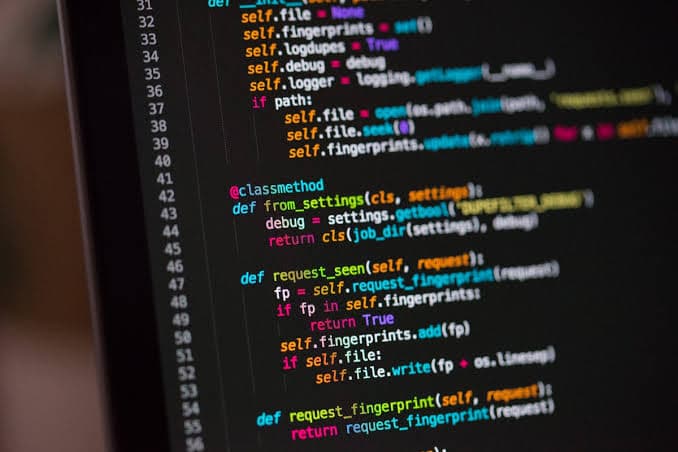
In the rush to deliver features and satisfy immediate market demands, software teams frequently take engineering shortcuts. While moving quickly provides a short-term competitive edge, accumulating unaddressed technical debt quietly undermines system stability over time. Sustainable code architecture is the discipline of balancing rapid iteration with continuous, proactive maintenance to ensure long-term platform health.
At its core, manageable architecture relies on strict modularity and clear separation of concerns. Monolithic, tightly coupled codebases make isolated changes risky, as a update in one module can trigger unintended side effects elsewhere. By designing decoupled components with clean interface boundaries, developers can modify, scale, or replace individual sub-systems without threatening the integrity of the entire platform.
A crucial pillar of this approach is integrating incremental refactoring into the daily development workflow. Rather than halting product roadmaps for massive, disruptive code rewrites, resilient teams practice continuous cleanup. Applying small improvements during routine feature work prevents technical debt from reaching a critical threshold where development velocity grounds to a halt.
Ultimately, high-performing engineering organizations view code quality as a product feature rather than an administrative overhead. Establishing robust automated test suites, enforcing clear peer review guidelines, and maintaining up-to-date documentation ensures that systems remain adaptable. Protecting architectural integrity today is what allows engineering teams to keep building reliably tomorrow.